
St Lucia Travel and Tours
Flag of St Lucia 🇱🇨
St Lucia is a teardrop in shape in the Caribbean Sea -The island has towns of French names and you may hear the tones in the local unoften used dialect Kweyol but the island was given up to the British in 1814. The local beer is called Piton and best time to visit is December to May to avoid the humidity and rain but if you want few people around then try other.
Location Map
Things to do in St Lucia: Take a jeep and tour the Gros Piton (the big green pointed mountain making St Lucia instantly recognisable), the town of La Soufriere. Or find a great St Lucia Resort and go Scuba Diving. Deep sea fishing tours and day sailing tours. There is an abundance of nature in the rainforest and there are many tours that allow you to engage in this most green Caribbean Island. Check out Marigot Bay a black sand beach that has excellent snorkelling. For the energetic and water loving try windsurfing on Choc Beach.
St Lucia is a great destination but take into consideration the wetter months of June through November and this is also Hurricane Season but you would be unlucky to get hit by one. The more popular events and festivals are during this period. Prices will be lower and the place less crowded too so its a mix really and this applies to the Caribbean in general.
Castries the capital is a major port of call for cruise ships, which dock at Pointe Seraphine but the town is well worth a visit for its Cathedral and Market.
Explore Travel Services in Saint Lucia
Discover the beauty of Saint Lucia with our essential travel services.
- Details
- Category: St Lucia
- Hits: 612
Navigating Saint Lucia's Socket Scene: A Traveler's Guide to Power Plugs and Adapters
Saint Lucia is a stunning Caribbean island known for its lush landscapes, vibrant culture, and crystal-clear waters. But before you pack your bags and head off to this tropical paradise, there's one important detail you need to pay attention to - power sockets. Yes, the type of power plugs and sockets might be different from what you're used to at home, and having the right travel adapter is crucial for keeping your devices charged and ready to go. Let's dive into what you need to know about power plugs and adapters for Saint Lucia.
Read more: Saint Lucia - Power Plugs & Sockets: Travel Adapter Needed for Saint Lucia plug sockets
- Details
- Category: St Lucia
- Hits: 963
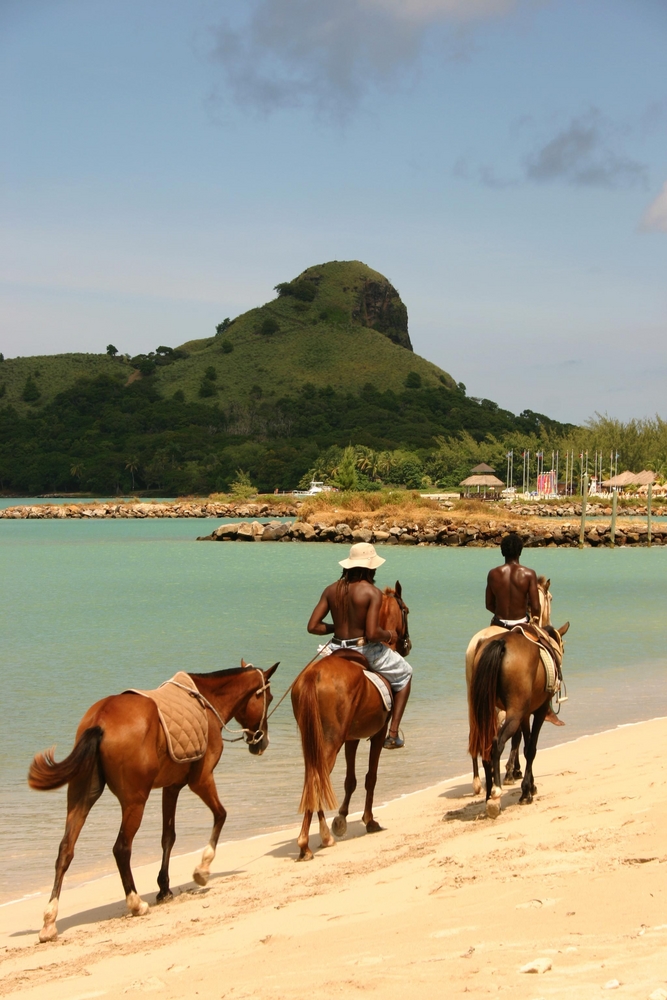
We stayed at Rodney Bay and the Rex Resort there called the St Lucian during the month of November. It’s hard to fault the beach here and the resort also has a great variety of watersports on offer.
Read more: St Lucia All Inclusive Experience at the Rex Resort St Lucian
